Pediatric Occupational Therapy
in Cary, NC.

Our pediatric Occupational Therapists provide a wide range of assessments in the areas of:
✅Executive Functioning
✅Fine and Gross Motor Skills
✅Self Regulation
✅Feeding
✅Social Skills
✅Visual Perception
What Can These Evaluations Determine?
Executive Functioning
This evaluation focuses on understanding how your child plans, organizes, manages time, regulates emotions, and completes daily tasks. Executive functioning skills are essential for success at home, school, and in social settings. During the evaluation, we use play-based, standardized, and observation-driven assessments to identify your child’s unique strengths and areas that may need support. The goal is to create a personalized plan that helps your child develop practical strategies to improve attention, problem-solving, flexibility, and independence in everyday routines.

Motor Skills
This evaluation helps us understand how your child moves, plays, and participates in everyday activities. Motor skills are the building blocks for everything from holding a pencil and getting dressed to running, climbing, and playing with friends. During the evaluation, our occupational therapist uses fun, play-based activities and standardized assessments to look at your child’s fine motor (small movements of the hands and fingers) and gross motor (big body movements) skills. We identify your child’s strengths and any areas that may need extra support, then create an individualized plan to help them build confidence, coordination, and independence in daily life.

Self Regulation
This evaluation helps children learn how to manage their emotions, energy levels, and behaviors throughout the day. Self-regulation is an important life skill that supports attention, learning, and social success at home, school, and in the community. During the evaluation, our occupational therapist uses play-based activities and observations to understand how your child responds to sensory input, transitions, and daily challenges. We work with families to identify triggers, build calming and alerting strategies, and create a personalized plan to help your child feel more balanced, focused, and in control.

Feeding
This evaluation helps children develop safe, independent, and enjoyable eating skills. Feeding challenges can include difficulty chewing, swallowing, transitioning to new textures, or managing mealtime behaviors. We use play-based and standardized assessments to understand their oral motor skills, sensory preferences, and mealtime routines. From there, we create a personalized plan with strategies and exercises to support safe eating, increase confidence at mealtimes, and make mealtime a positive experience for your child and your family.
Social Skills
This evaluation helps identify strengths and challenges in how an individual connects, communicates, and participates with others. During this assessment, we explore areas such as social communication, emotional regulation, perspective-taking, and problem-solving to understand how these skills influence daily routines and relationships. Using a combination of observation, standardized assessments, and caregiver or teacher input, we develop a clear picture of social participation across settings. The results guide personalized goals and practical strategies to support meaningful, confident interactions in home, school, and community environments.
Visual Perception
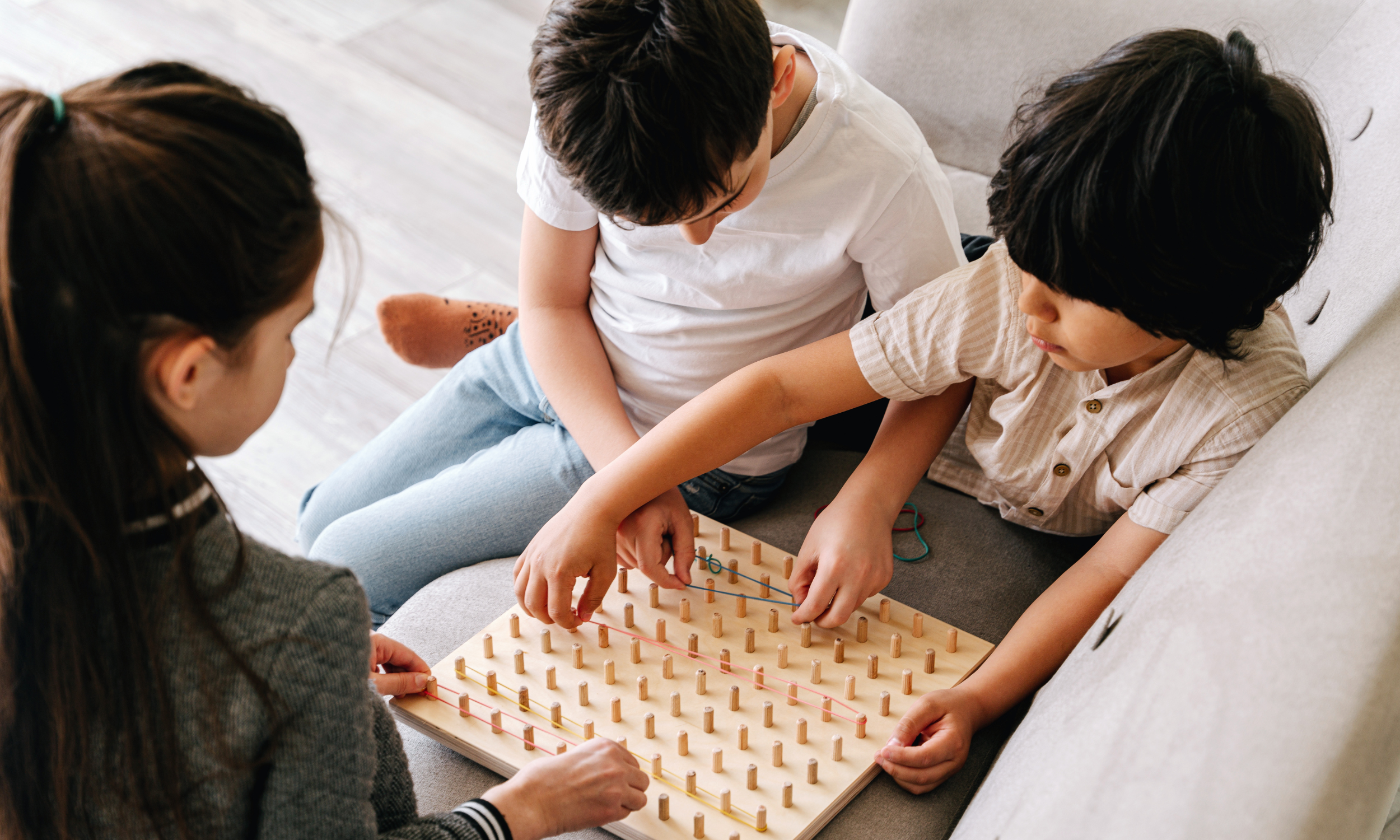
This evaluation helps identify how a child’s brain processes and understands the visual information it receives—skills that are crucial for reading, writing, coordination, and play. This assessment goes beyond basic eyesight to explore how a child recognizes shapes, patterns, and spatial relationships, and how they make sense of what they see in their environment. Using engaging, age-appropriate activities and standardized assessments, we look at areas such as visual memory, figure-ground discrimination, visual-motor integration, and spatial awareness. The results help us understand how visual processing may be affecting a child’s classroom performance, self-care, or play skills, and guide personalized strategies to build confidence and success in everyday activities.